
What we do
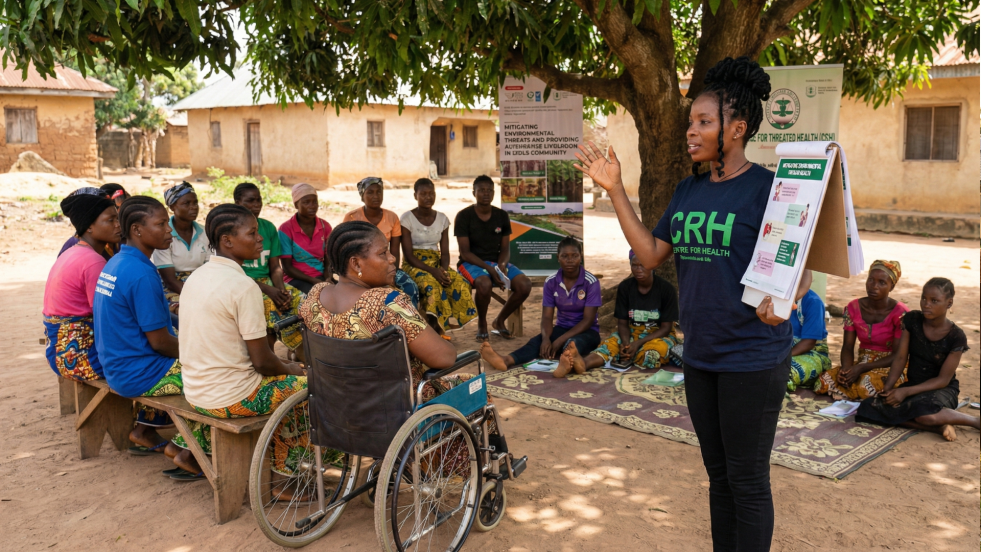
Health Equity & Access to Care
Health is shaped long before anyone walks into a hospital. We address the barriers that prevent people, especially women, persons with disabilities, and low-income communities, from accessing quality health information and services.
Our work includes:
- Community health education and awareness campaigns
- Policy advocacy for equitable healthcare access
- Disability-inclusive health programming
- Research on health disparities and social determinants
- Partnerships with local health institutions
We focus on prevention, early intervention, and informed decision-making.
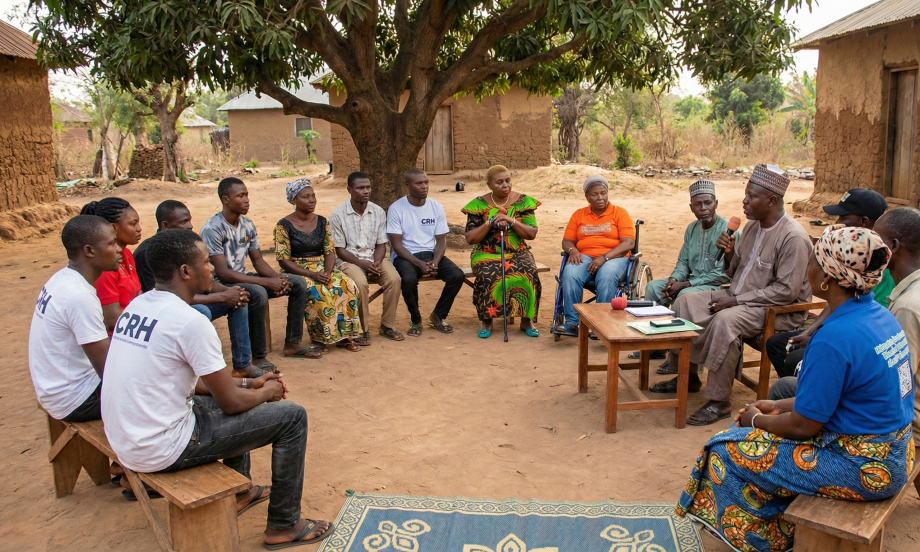
Gender-Based Violence (GBV) Prevention
CRH works to shift harmful norms and reduce violence before it happens. We engage traditional leaders, youth groups, schools, and community influencers to promote accountability and dignity.
Our interventions include:
- Social norms transformation programs
- Community-led GBV prevention charters
- Youth advocacy and peer education
- Gender justice campaigns
- Referral partnerships for survivors (through specialized organizations)
We measure success not just by awareness, but by behavior change.
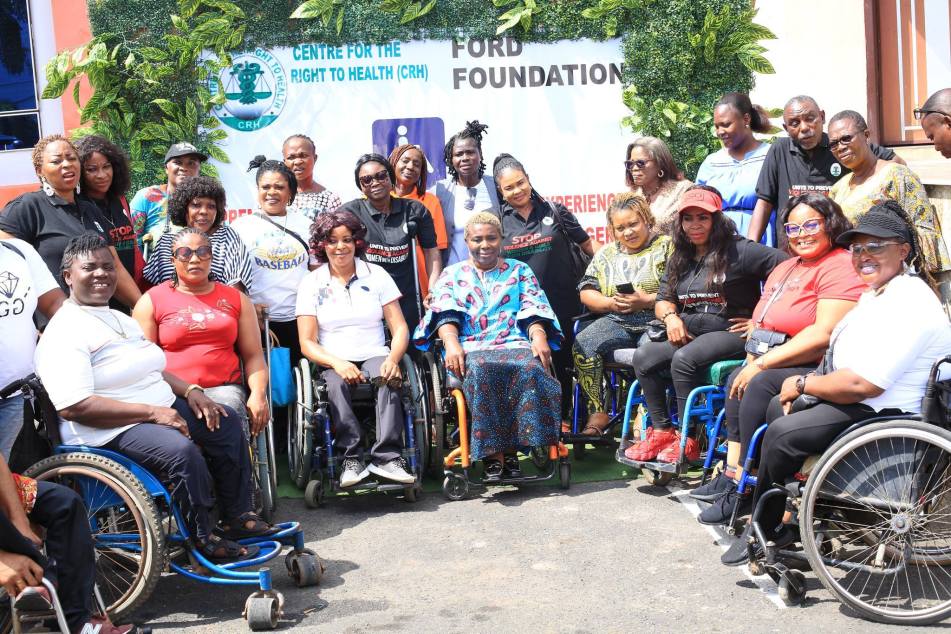
Disability Inclusion & Empowerment
Persons with disabilities face systemic exclusion in healthcare, education, employment, and community participation. CRH promotes inclusive systems that recognize ability, voice, and leadership.
Our work includes:
- Inclusive policy advocacy
- Accessibility audits and community sensitization
- Amplifying voices of persons with disabilities
- Leadership and empowerment initiatives
- Disability-responsive program design
Inclusion is not an afterthought. It is a deliberate standard.
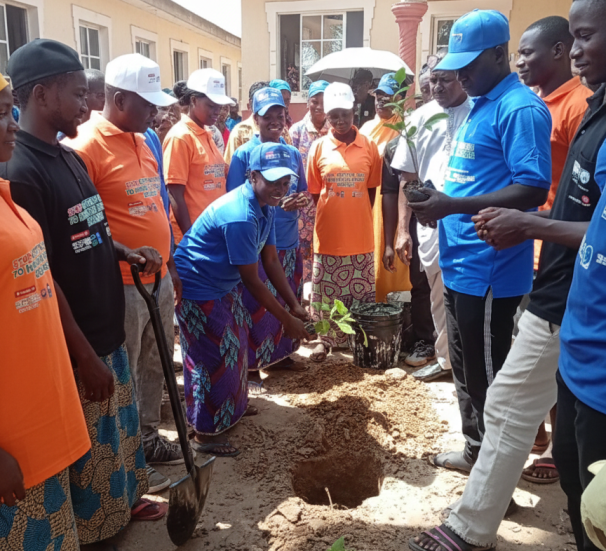
Environmental Health & Sustainability
Healthy communities depend on healthy environments. We integrate environmental sustainability into public health programming, recognizing the link between climate, food systems, and disease prevention.
Our initiatives include:
- Community environmental awareness programs
- Tree-planting and green health campaigns
- Climate-health education
- Youth environmental leadership engagement
- Advocacy for sustainable community practices
Environmental justice is health justice.
Research, Policy & Systems Strengthening
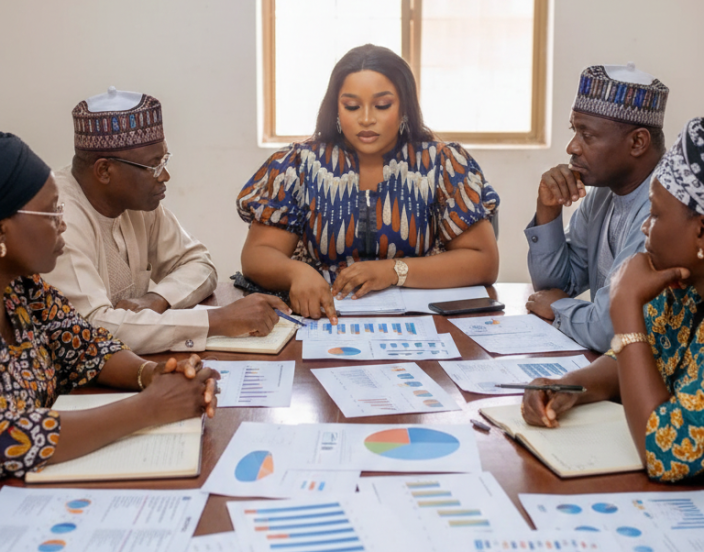
CRH conducts research and generates evidence to inform policy and drive systemic change. We translate community realities into actionable policy recommendations.
We engage in:
- Participatory research
- Data-driven advocacy
- Policy dialogues with government stakeholders
- Monitoring and evaluation frameworks
- Capacity building for community institutions
We believe sustainable impact requires institutional reform, not just temporary interventions.
Women & Youth Empowerment
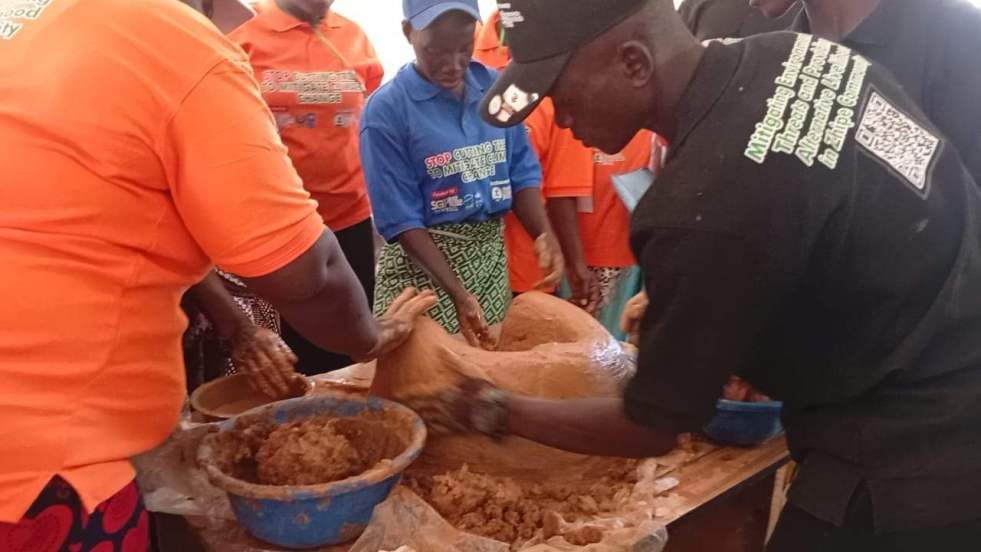
We support women and young people as agents of change in their communities.
Our focus areas include:
- Leadership development
- Health literacy programs
- Economic empowerment linkages
- Civic engagement training
- Community dialogue facilitation
Empowerment builds resilience. Resilience strengthens communities.
THEORY OF CHANGE
OUR IMPACT
Measuring What Matters
At CRH, impact is not measured by activity alone, but by transformation.
Community Transformation
- Increased awareness of health rights and prevention strategies
- Adoption of community-led charters promoting dignity and inclusion
- Strengthened local leadership in health and gender justice
Policy Influence
-
Engagement with government stakeholders on inclusive health frameworks
-
Evidence-based recommendations integrated into local development planning
Disability Inclusion
- Increased visibility and participation of persons with disabilities in community platforms
- Improved awareness of accessibility standards
Environmental Outcomes
- Community-led environmental health initiatives
- Youth engagement in sustainability practices
How We Measure Impact
We use:
- Baseline and endline assessments
- Community perception tracking
- Policy monitoring
- Participatory evaluation tools
- Outcome-focused indicators
Our commitment: measurable change, not symbolic gestures.